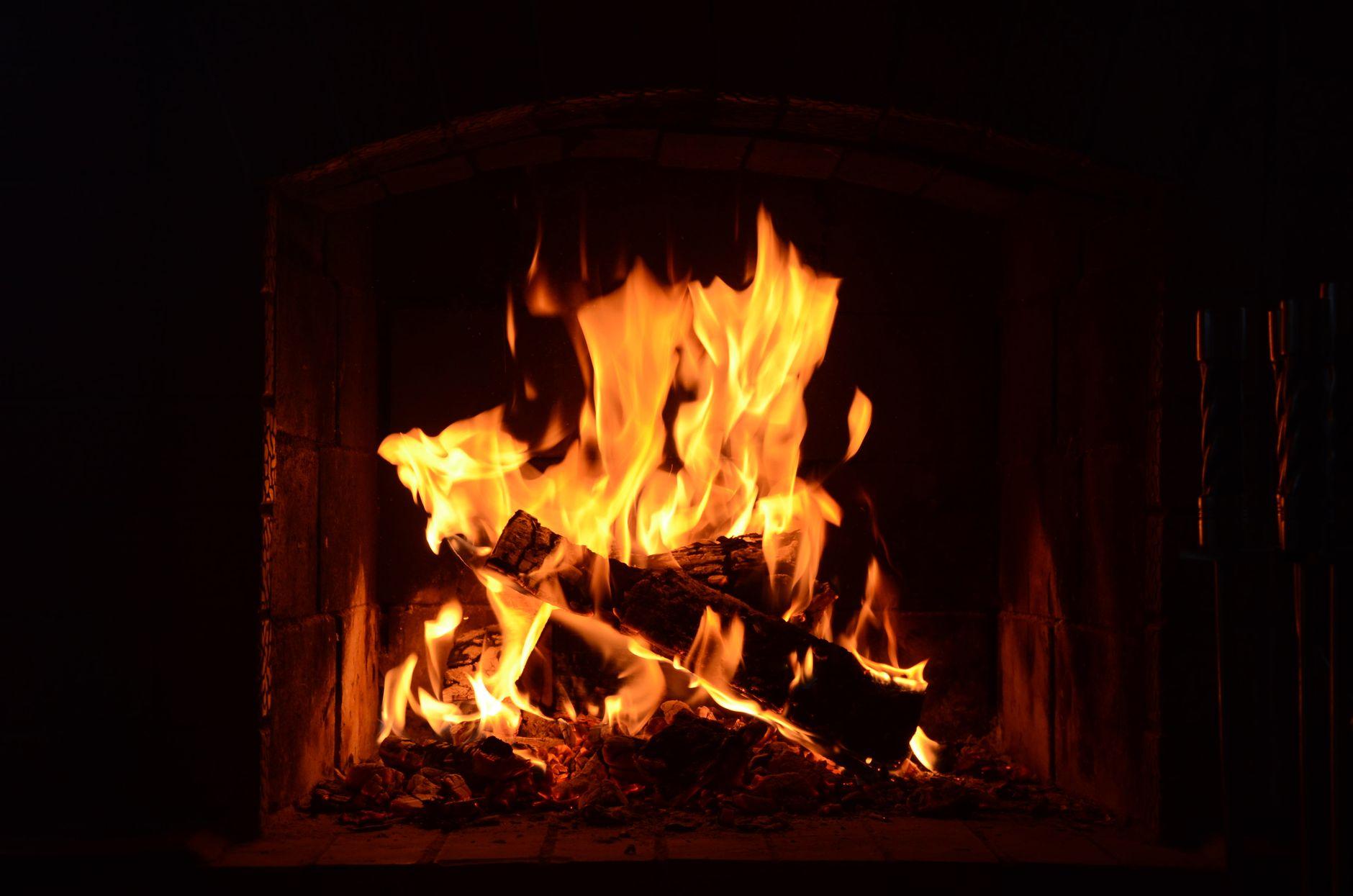
Two very different answers to a cold room
A pellet insert and a set of gas logs both go into the fireplace you already have. After that they have almost nothing in common. One is a small heating appliance with a hopper, a motor and a thermostat. The other is a burner and ceramic logs that make an open fireplace look lit at the turn of a key.
Homeowners in Bell Gardens ask us to compare the two more than any other pair, usually because the budget sits between them. This page puts them side by side the way we do on a quote visit.
Side by side
| Point | Pellet insert | Gas logs |
|---|---|---|
| What it does | Heats the room through glass, fan driven | Gives a flame in an open firebox |
| Fuel | Bagged wood pellets, loaded into a hopper | Natural gas from the house supply |
| Damper | Sealed off by the insert and its liner | Has to stay open or be clamped open |
| Power | Needs an outlet; stops in a power cut | Most sets need none |
| Chimney work | A liner from the insert to the top | Usually none beyond a sweep and a check |
| Upkeep | Ash emptied often, yearly service | Yearly check of burner and logs |
| Noise | Fan and auger hum | Close to silent |
Heat versus looks
If the aim is a warmer living room, the pellet insert wins by a wide margin. It burns in a closed box, feeds itself at a steady rate and pushes warm air out with a blower. Set the thermostat and it keeps the room there.
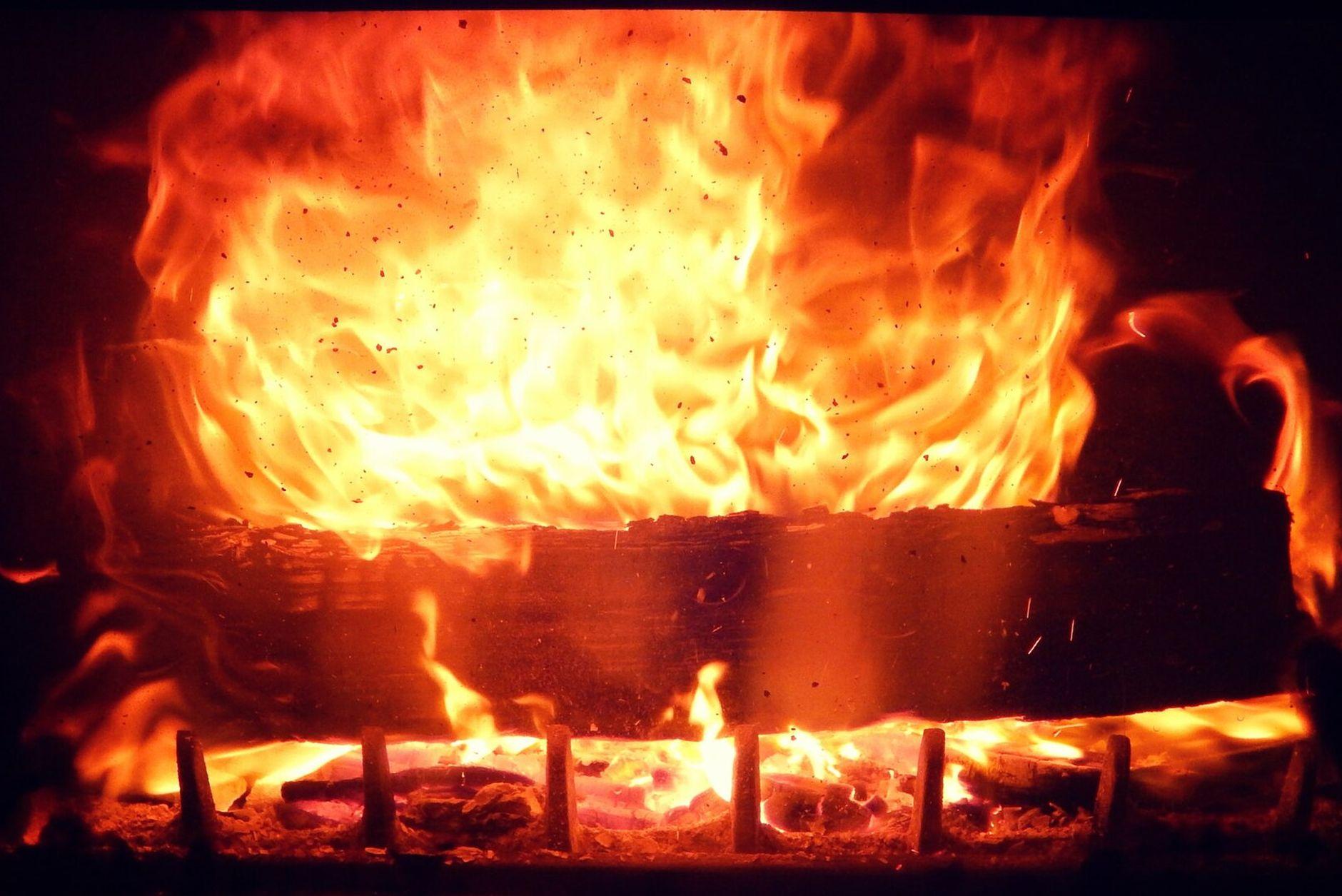
Gas logs are the opposite. With the damper open, most of the warmth rises out of the chimney with the exhaust. They are about the flame, the glow on the brick and the ease of lighting a fire for guests. Many people are happy with exactly that, and in a mild winter like ours it can be enough. But a family hoping to turn down the wall heater should not expect logs to do it.
What each one costs to put in
Neither job has a fixed figure on this site. A gas log set depends on the burner size, the log style and whether gas already reaches the hearth. A pellet insert depends on the unit, the length of the liner up your chimney and the outside air kit.
What we can say is the order of magnitude. Gas logs are the smaller job: a burner, a valve and a set of logs in a working firebox. A pellet insert is closer to an appliance install, with a stainless liner, a sealed face and an outlet nearby. If you are weighing a sealed gas unit as a third option, a gas insert set into an existing firebox runs $2,700 to $5,400 here, and our post on gas insert cost in Bell Gardens breaks that range down.
Both options also assume the chimney is sound. If the flue has not been filmed in years, a Level 2 inspection at $380 comes first, and a wood fireplace being converted usually needs a sweep from $405.
What decides it for most households
On the visit we ask four questions, and the answers usually settle the choice before any brochure comes out:
- How often will you use it? Every evening through winter points to the insert. A dozen fires a year points to logs.
- Is there gas at the hearth? An old log lighter valve makes logs simple. No gas at all makes the pellet route look better.
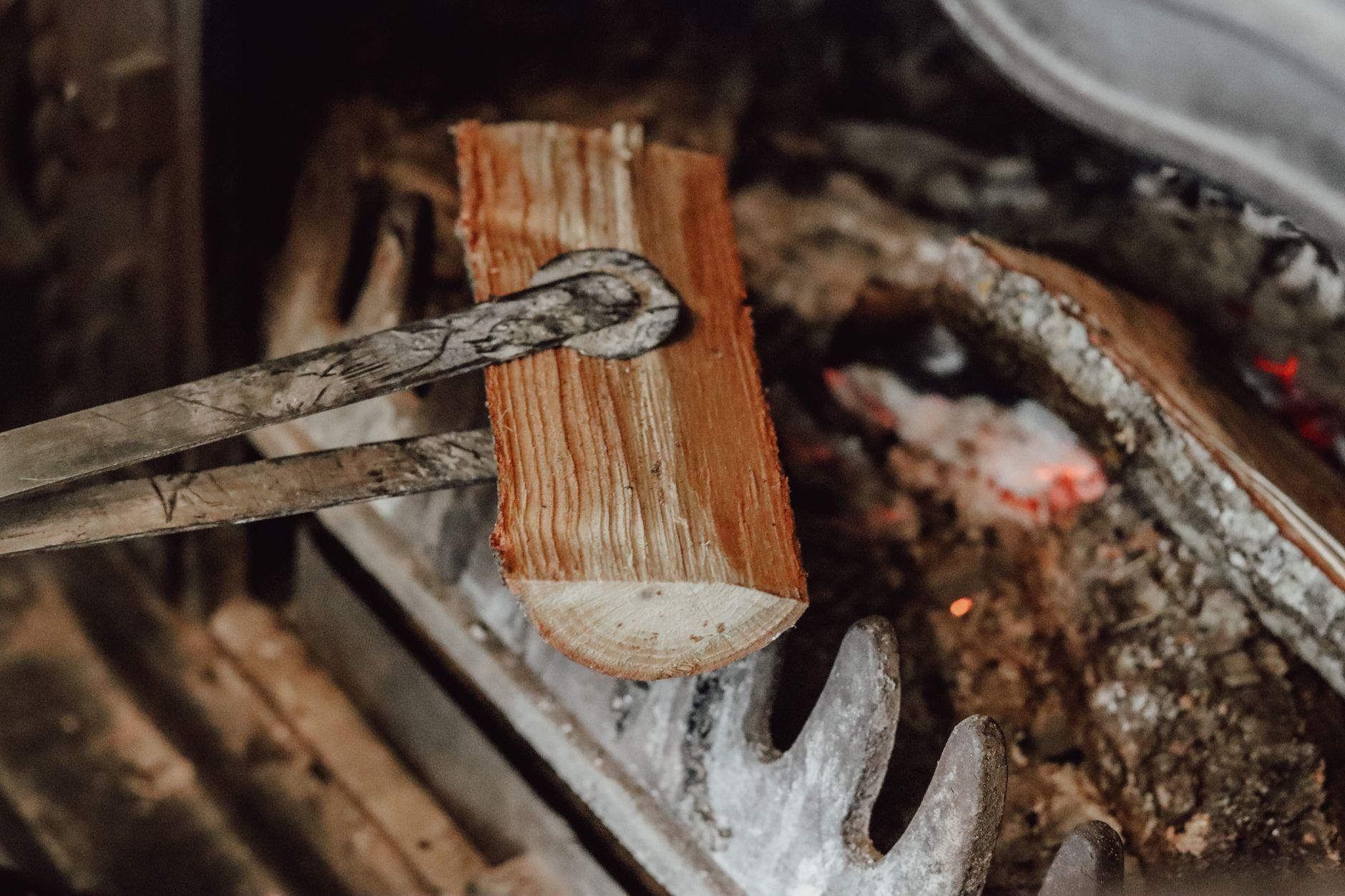
- Who will load it? A pellet hopper needs filling every day or two in steady use, and the bags need a dry spot in the garage.
- How do you feel about a fan? Some people love the moving warm air. Others want silence, and that leans toward logs.
The parts people forget
A pellet insert runs on electricity. When the power drops, the auger and the fan stop and the fire dies down. Most units handle that safely, but it means the insert is no help in an outage. Gas logs keep burning without power.
Pellet units also need more service than logs. Ash builds up in the burn pot and the heat exchanger, the igniter wears, and the feed motor can jam if the pellets are damp or dusty. We cover those repairs on the pellet stove repair page and in pellet stove repair quotes. Gas logs ask for less: a yearly look at the burner ports, the pilot and the log placement, and a check that the damper clamp is still in place.
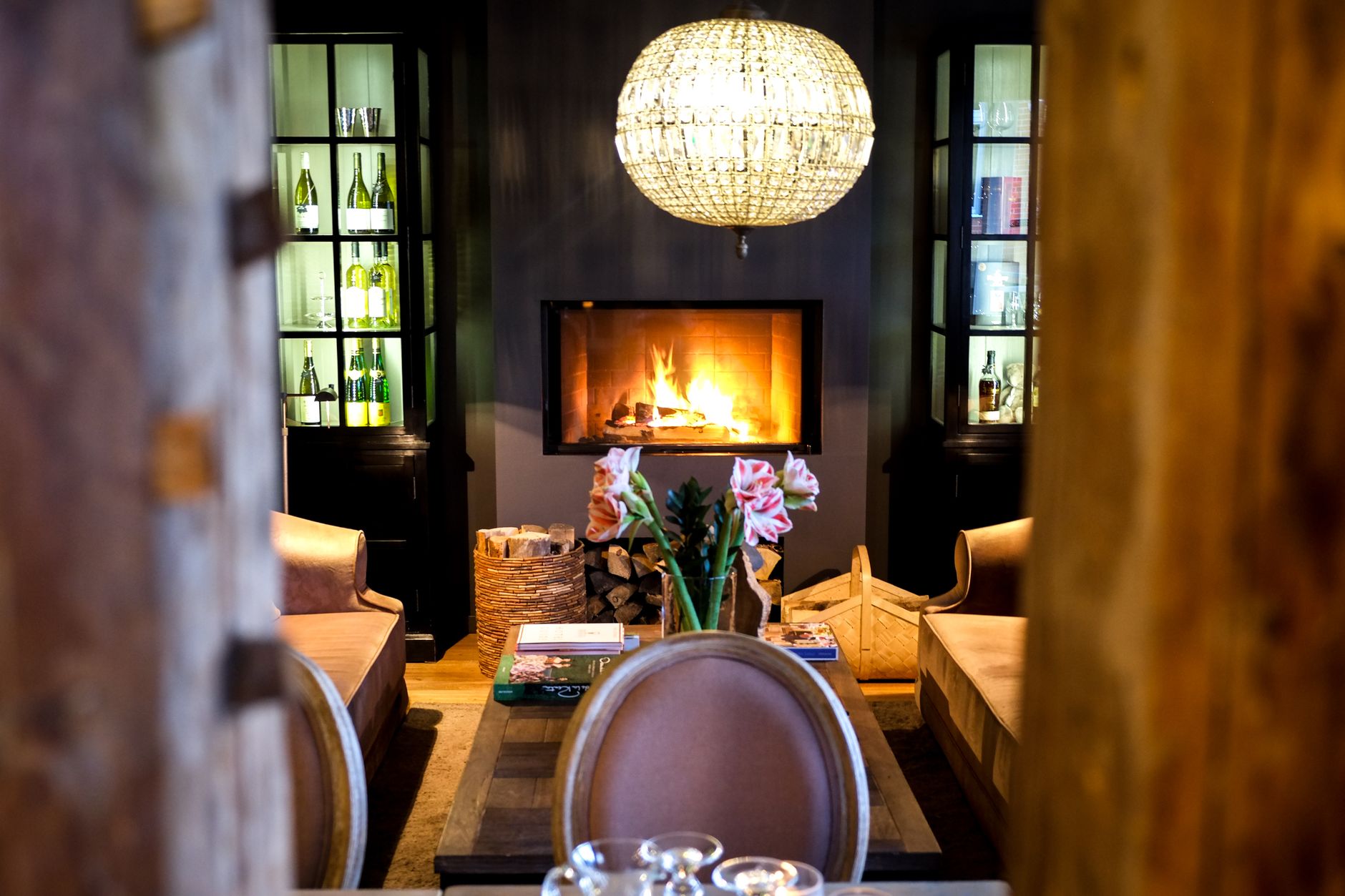
Then there is the look. A pellet insert puts a steel face and a glass door in the opening, which some owners of older brick fireplaces dislike. Logs leave the fireplace looking as it always has. If the brick face is a feature of the room, that can matter more than heat output.
Our view
We sell, install and repair both, so we have no reason to steer you. In practice, families who want to heat the room with the fireplace end up with an insert, either pellet or gas. Families who want a fire for its own sake end up with logs. The worst outcome is buying logs and expecting heat, which is why we spend most of the visit on how you plan to use the room.
The fireplace gas logs page and the fireplace inserts page list what each install covers. We work across Bell Gardens, South Gate and nearby cities.
When you want both options priced for your own fireplace, head to our contact page and tell us a little about the room.
Turn the Reading Into a Real Shortlist
Bosworth Chimney Solutions measures your opening and flue, then sets the inserts, log sets or pellet units that fit next to each other with written prices. Visits run from Bell Gardens to South Gate, Santa Fe Springs and the City of Los Angeles.